
Beyond AI Stocks: Is Power Infrastructure the Next Big Investment Opportunity?
5 minutes reading

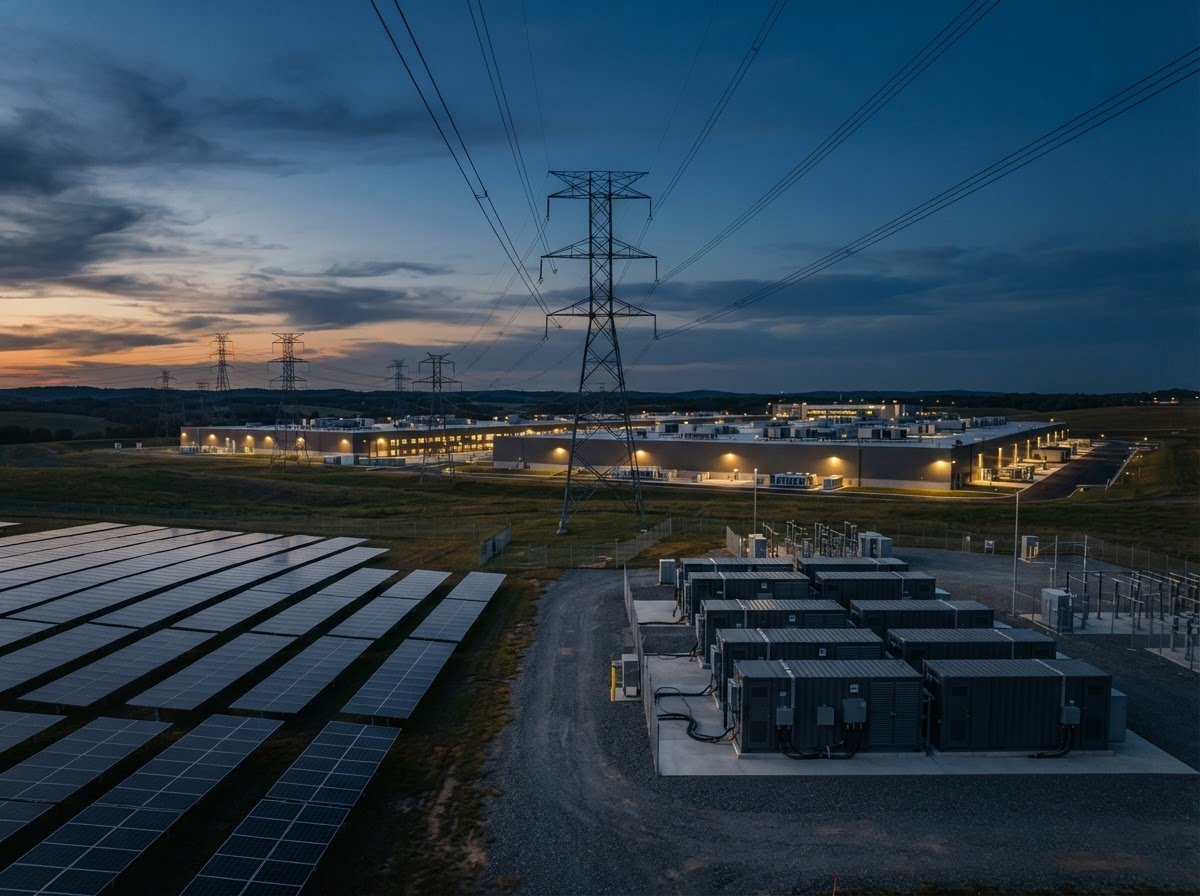 Power infrastructure is attracting attention as data centres and AI increase demand for reliable electricity.
As investors rethink the risks of expensive technology stocks, another part of the artificial intelligence boom is drawing attention: the electricity needed to keep data centres running. Power grids, battery storage and renewable energy projects could become important business opportunities as demand for reliable electricity grows.
The idea is gaining momentum at a time when global markets are unsettled. A Reuters report published on November 21 described a sharp market sell-off, with investors worried about AI valuations and the outlook for US interest rates. The shift in sentiment does not mean the AI story is over. It does, however, give investors a reason to look beyond the biggest technology names.
Why electricity infrastructure is getting attention
AI services rely on large data centres filled with powerful computers. These facilities need electricity around the clock, as well as cooling systems and dependable connections to the power grid. As more companies build AI capacity, the supporting energy infrastructure becomes an important part of the business equation.
S&P Global highlighted the scale of the investment challenge in its November 20 market update. It said an estimated $7.6 trillion may be needed to fund the build-out of AI infrastructure. The report also pointed to renewable energy investment as a market shaped by changing technology, policy and demand.
This creates a wider investment theme: companies that generate electricity, connect it to customers, store it or help businesses use it more efficiently may benefit from rising demand. Their prospects will still depend on project costs, regulation, financing and the ability to turn demand into real earnings.
Four business areas investors are watching
1. Grid upgrades and power equipment
Electricity demand is only useful to a data centre if the grid can deliver power where it is needed. This puts attention on companies involved in transformers, cables, substations, grid management and electrical components. Modernising old networks can also support factories, homes and transport systems, not only technology businesses.
2. Battery storage
Battery systems can store electricity when supply is available and release it when demand rises. They can help balance renewable power, support grid stability and provide backup for critical facilities. Investors should examine battery costs, safety standards, warranties and the financial strength of project developers before considering this sector.
3. Renewable energy projects
Solar, wind and other renewable projects may benefit from companies seeking long-term power supplies and governments pursuing energy security. However, a growing market does not automatically make every project profitable. Permits, land access, connection delays, interest rates and power-purchase agreements can make a major difference.
4. Energy efficiency and cooling
Data centres use substantial energy to run and cool computer equipment. Businesses that develop efficient cooling, power-management software and energy-saving components may find opportunities as operators try to control costs. The strongest companies will need to show measurable savings for customers, not just promote a popular technology trend.
Could this become a major investment theme in 2027?
There are reasons to keep the sector on the watchlist. AI adoption is pushing companies to expand computing capacity, while electricity networks in many markets need upgrades. S&P Global’s analysis suggests that the financing required for AI infrastructure will remain a major force in capital markets.
At the same time, the recent market decline is a reminder that enthusiasm can run ahead of business results. Reuters reported that nearly $9 trillion had been wiped from the value of global stocks since their August peak, amid concerns about AI and interest rates. Companies linked to the energy supply chain are not immune to market falls, high borrowing costs or project delays.
What investors should check before putting money in
Investors should look beyond headlines and examine a company’s cash flow, debt, order backlog, profit margins and ability to complete projects on time. For renewable and infrastructure businesses, it is also important to understand how projects are financed and whether customers have signed long-term contracts.
Those who prefer not to choose individual companies can research diversified funds that provide exposure to utilities, clean energy or infrastructure. Fund fees, holdings, concentration and currency risk still matter. Shares and funds can lose value, and past performance does not guarantee future returns.
For business owners, the opportunity may be more direct. Services such as energy audits, equipment maintenance, industrial cooling, solar installation and battery-system support could see demand where businesses are trying to improve energy reliability and control operating costs. Success will depend on local regulations, technical skills and customer demand.
The bigger picture
The next investment opportunity linked to AI may not be another headline-grabbing software company. It could be the less visible businesses that supply the electricity, equipment and services behind the digital economy. Power infrastructure is not a guaranteed winner, but it is a sector worth researching as investors look for opportunities beyond crowded technology trades.
Disclaimer: This article is for general information and education only. It is not personal financial advice or a recommendation to buy or sell any investment. Always do your own research and consider your risk tolerance before investing.
Sources
Related posts





06 Nov 2026

Latest Post





No Comments