
Cristiano Ronaldo Viral Video Exposed as AI: What Really Happened?
4 minutes reading

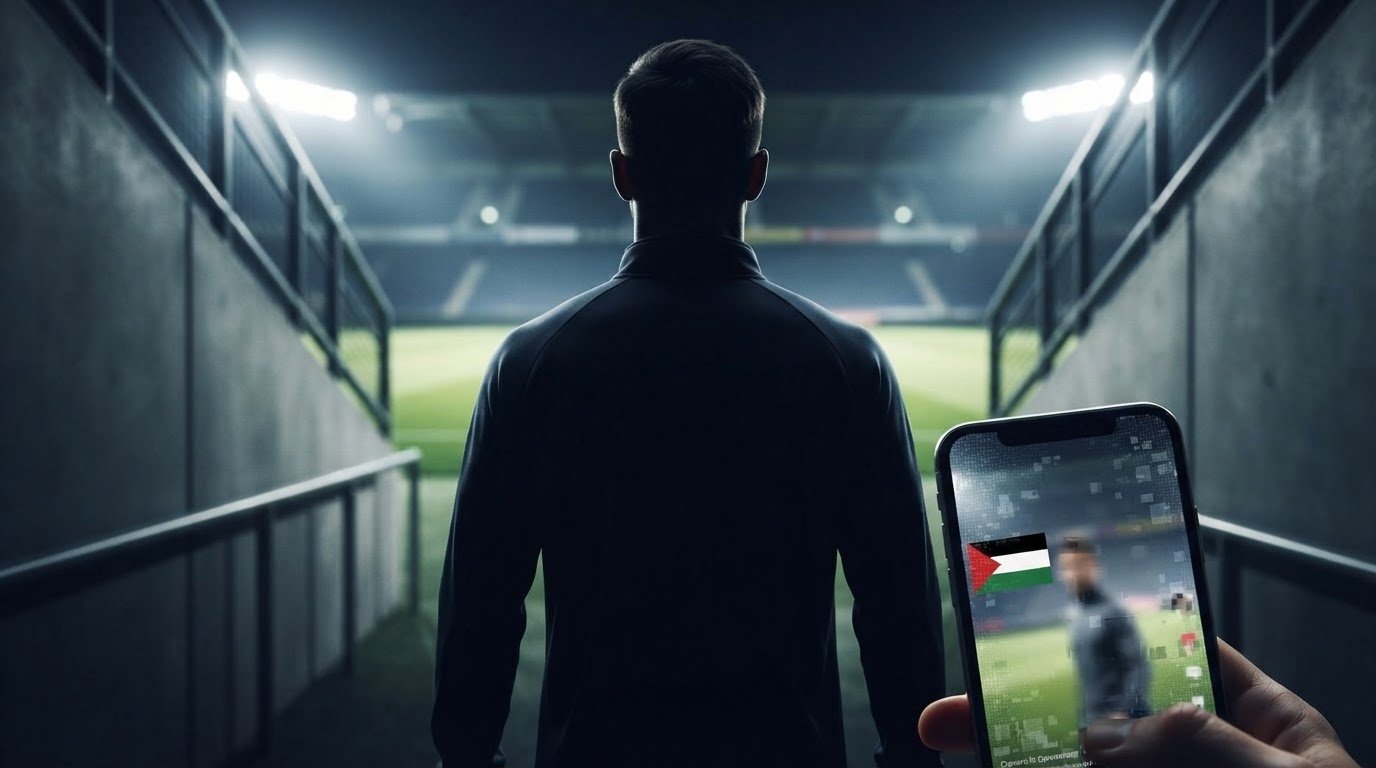
A short video claiming to show Cristiano Ronaldo wearing a Palestinian flag and shouting “Palestina Libre” at the Ballon d’Or ceremony has spread across social media. The clip has attracted attention because it appears to show one of football’s most famous players making a public political statement. But the footage is not real: fact-checkers traced it to an AI-generated video.
The episode is more than another viral football post. It shows how artificial intelligence can place a famous athlete inside an event that never happened, then make the scene look convincing enough to be shared as news.
Where Did the Ronaldo Video Come From?
According to a report by Lead Stories published on November 18, the clip first appeared on TikTok on November 12. The account that uploaded it identified the video as AI-generated. The original version also carried a Sora watermark, while some later reposts covered the area where the watermark appeared.
Lead Stories reported that the video showed Ronaldo wearing a Palestinian flag at the Ballon d’Or event in London. However, Ronaldo was not among the 30 nominees for the 2026 men’s award and did not attend the ceremony, which took place on October 26.
The fact-checking outlet also said an AI-detection system rated the video as 99.9 percent likely to be AI-generated and its audio as 98.4 percent likely to contain AI-generated speech. Those scores are technical indicators, not proof on their own, but they support the evidence from the original upload and the event timeline.
More Than One Fact-Checker Reached the Same Finding
CyberPeace Research published a separate review on November 19 and also concluded that the video was made with Sora AI. Its researchers said they found no credible report confirming the alleged incident and no matching post on Ronaldo’s official Instagram account. The group said its checks of the video and its audio also indicated AI generation.
The independent findings matter because viral clips are often shared far beyond the accounts that first publish them. By the time a video reaches a large audience, its original label or context may have disappeared. A repost can therefore make an artificial scene look like genuine footage.
Why the Clip Resonated With Football Fans
Ronaldo’s global profile means that almost any image or statement linked to him can attract intense attention. His recent retirement from Portugal’s national team has also kept him in the headlines. That attention can make a dramatic video feel believable, especially when it touches on a subject that already carries strong emotions.
But a video’s emotional impact does not establish that the event happened. In this case, the setting itself raises a basic question: was Ronaldo actually at the ceremony shown in the clip? The available record says he was not.
How to Check a Viral Sports Video
Before sharing a clip involving a well-known athlete, viewers can take a few simple steps:
- Look for the earliest available upload, not only the repost with the most views.
- Check whether the original creator labelled the content as AI-generated.
- Search reliable news reports and the athlete’s official channels for confirmation.
- Compare the claimed date and location with the athlete’s known schedule.
- Be careful with cropped videos that remove watermarks, captions or other context.
AI tools can now produce realistic faces, voices and public settings. That does not mean every unusual sports video is fake, but it does mean that viewers should look for evidence before treating a clip as a record of a real event.
The Bigger Issue for Football and Social Media
The Ronaldo clip is a reminder that the next major sports controversy may begin with footage that never existed. Clubs, athletes, media outlets and platforms will face growing pressure to distinguish real statements from synthetic content that uses a famous person’s image.
For now, there is no verified evidence that Ronaldo made the statement shown in the viral video. The footage should be treated as AI-generated, not as proof of his personal or political position.
Sources: Lead Stories fact-check; CyberPeace Research; The National.
Related posts




Latest Post




No Comments