
Jensen Huang Nvidia Update: California Opens Probe as Chip Export Questions Grow
4 minutes reading

Business - 20 Nov 2026
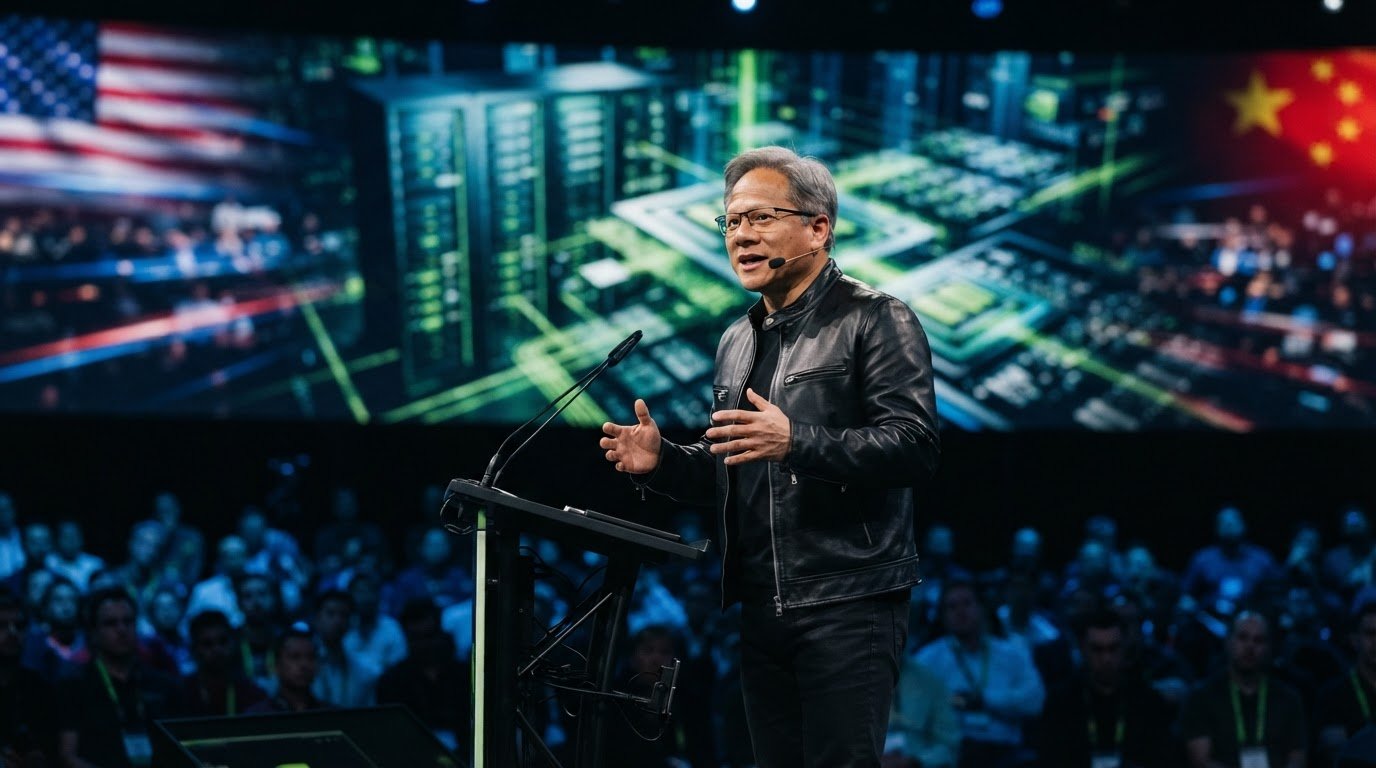
NEW YORK, November 20, 2026 — Nvidia is facing new pressure from regulators as questions grow over the company’s business links, advanced AI chip exports to China and the leadership changes that followed the departure of its former chief executive, Jensen Huang.
The latest development came on November 19, when California Attorney General Rob Bonta said his office had issued a subpoena to Nvidia as part of an investigation. The inquiry is examining whether the company or its former CEO helped China obtain advanced chips or confidential information, or misled investors and the public about related risks. These are matters under investigation, not proven findings.
California Subpoena Adds to Nvidia’s Legal Pressure
The California investigation adds another layer of scrutiny for Nvidia. The company has already faced questions from US lawmakers and federal agencies about whether restricted AI chips could have reached Chinese companies through third-party businesses or cloud computing services.
At the center of the wider controversy are concerns involving Singapore-based cloud computing company Megaspeed and its former executive Alice Huang, who is not related to Jensen Huang. US authorities have examined possible links to the transfer of restricted chips to China. China has rejected claims that Alice Huang was a Chinese intelligence asset.
There is no publicly established finding in the latest reports that Nvidia directly supplied restricted chips to China in violation of US rules. Nvidia has said that chip shipments are subject to strict conditions and volume limits, and that it stopped shipping H200 chips to China.
Nvidia Board Rejects Jensen Huang’s Return
The regulatory questions come after a major change in Nvidia’s leadership. Jensen Huang resigned as CEO earlier this month following reports about his personal relationships and questions surrounding the company’s business and national security risks.
Huang later said he would be honored to return if the board believed it was best for the company. However, Nvidia Chairman Harvey Jones said on November 17 that the board had unanimously accepted Huang’s resignation and did not intend to reinstate him.
Chief Financial Officer Colette Kress is serving as interim CEO while the board searches for a permanent replacement. The company has not announced a final successor.
Congressional Questions Expected in December
Nvidia’s leadership and export-control issues are also drawing attention in Washington. US House committee leaders have said that Huang agreed to take part in a transcribed interview on December 1. Nvidia General Counsel Tim Teter is expected to appear on December 2.
The discussions are expected to focus on Nvidia’s role in the global AI chip supply chain and the safeguards used to prevent advanced technology from reaching restricted buyers. The outcome could influence how the United States enforces technology export rules.
Strong Financial Results, but Investors Still Face Uncertainty
Despite the leadership crisis, Nvidia reported strong financial results for its third quarter of fiscal 2027. The company announced revenue of $115.8 billion, more than double the figure from the same period a year earlier. Data Center revenue reached $107.6 billion, reflecting continued demand for AI computing infrastructure.
Nvidia also forecast revenue of about $130 billion for its current quarter. The company said its outlook did not assume data center chip sales to China. These figures show that demand for AI hardware remains strong, even as the company deals with regulatory and leadership challenges.
For investors, strong sales are only part of the picture. They also need clarity about the next CEO, the company’s export-control practices and whether ongoing investigations could lead to new restrictions, penalties or changes in business operations.
What the Nvidia Issue Means for the AI Industry
Nvidia is a key supplier of processors used in artificial intelligence systems and large data centers. Any major change in its leadership or ability to sell products internationally could affect technology companies, cloud service providers and investors across the AI industry.
The case also highlights a wider challenge for global technology businesses: balancing access to international markets with national security rules. Governments want to protect sensitive technology, while companies need clear regulations to plan production, sales and investment.
What to Watch Next
Several developments may shape Nvidia’s next chapter: the response to California’s subpoena, the progress of US investigations, Huang’s congressional interview in December and the board’s search for a permanent CEO.
For now, Nvidia remains a financially powerful company with strong demand for its AI products. But its ability to maintain investor confidence will depend not only on chip sales and revenue growth, but also on transparent leadership, effective compliance and clear answers to regulators.
Sources and Further Reading
Related posts




14 Nov 2026


Latest Post





No Comments