
DOHA — Qatar is becoming a key player in one of the Middle East’s most important diplomatic efforts, as tensions between the United States and Iran enter another critical phase.
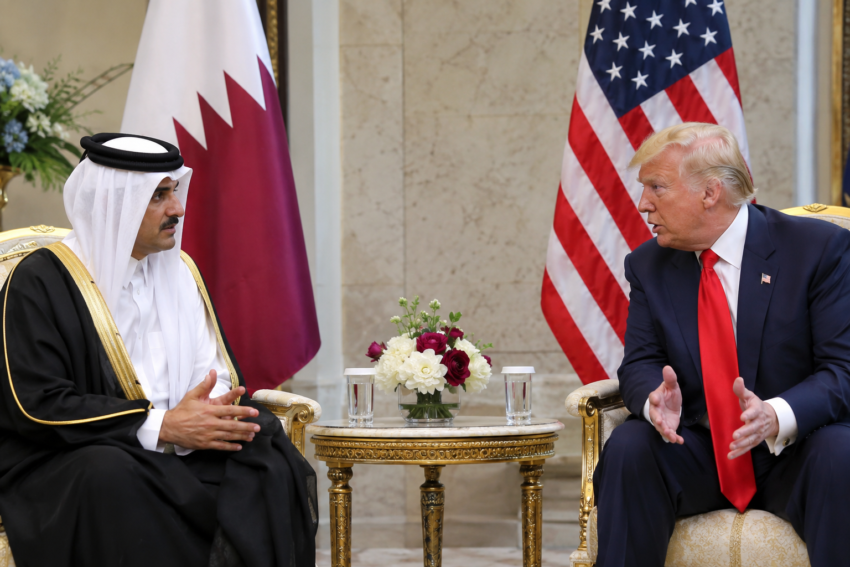
The latest developments have put Doha in the international spotlight after Qatar’s Prime Minister met with US President Donald Trump in Washington on Monday. The meeting came as both countries explored possible ways to prevent the conflict with Iran from escalating further.
For Qatar, the challenge is clear: help bring both sides closer to an agreement while protecting stability across the Gulf region.
Trump Signals a Possible Change in Direction
Following his meeting with Qatar’s Prime Minister, Sheikh Mohammed bin Abdulrahman bin Jassim Al Thani, Trump said he believed Iran’s military capabilities had been severely weakened.
He also suggested that the conflict could be approaching an end, although he made clear that American forces remained prepared to resume military operations if necessary.
Trump’s comments have raised hopes for a diplomatic breakthrough, but they do not mean that a final peace agreement has been reached.
The United States continues to maintain pressure on Iran, including through its naval blockade.
Why Qatar’s Role Matters
Qatar has long maintained diplomatic relationships with different countries across the Middle East, making it an important channel for communication during regional crises.
Its latest diplomatic efforts appear to focus on finding common ground between Washington and Tehran, particularly over Iran’s nuclear programme and wider regional security concerns.
According to reporting by The Associated Press, Qatari officials presented proposals concerning Iran’s nuclear programme last week.
These efforts could provide an opportunity for both sides to return to negotiations instead of relying on military pressure.
However, major disagreements remain.
Iran has called for sanctions relief, an end to the US naval blockade, the release of frozen assets and compensation for war-related damage before moving forward with nuclear discussions.
Gulf Countries Watch the Situation Closely
The developments are particularly important for Qatar and its Gulf neighbours.
Any further military escalation could affect shipping routes, energy supplies, international trade and investor confidence.
The Strait of Hormuz is especially important because it serves as a major route for global oil and gas shipments.
Disruptions in this area could have consequences far beyond the Middle East, potentially affecting fuel prices and the global economy.
For Qatar, maintaining security in the Gulf is also essential to protecting its position as one of the world’s leading natural gas exporters.
Is a Peace Agreement Really Possible?
Despite the latest diplomatic activity, a lasting agreement remains uncertain.
Washington wants stronger guarantees that Iran will not develop nuclear weapons, while Tehran has its own demands concerning sanctions, security and military operations in the region.
The difference between these positions remains a major obstacle.
Still, Qatar’s involvement could help keep diplomatic channels open at a time when tensions remain high.
The coming days may reveal whether the latest discussions can produce concrete results or whether the region will face another period of uncertainty.
For now, the world is watching Doha closely as Qatar continues its efforts to bring the United States and Iran closer to the negotiating table.