
Samsung Bets Big on AI Data Centers: Why the Chip Giant Is Building Its Own Powerhouses
3 minutes reading View : 2

News - 16 Nov 2026
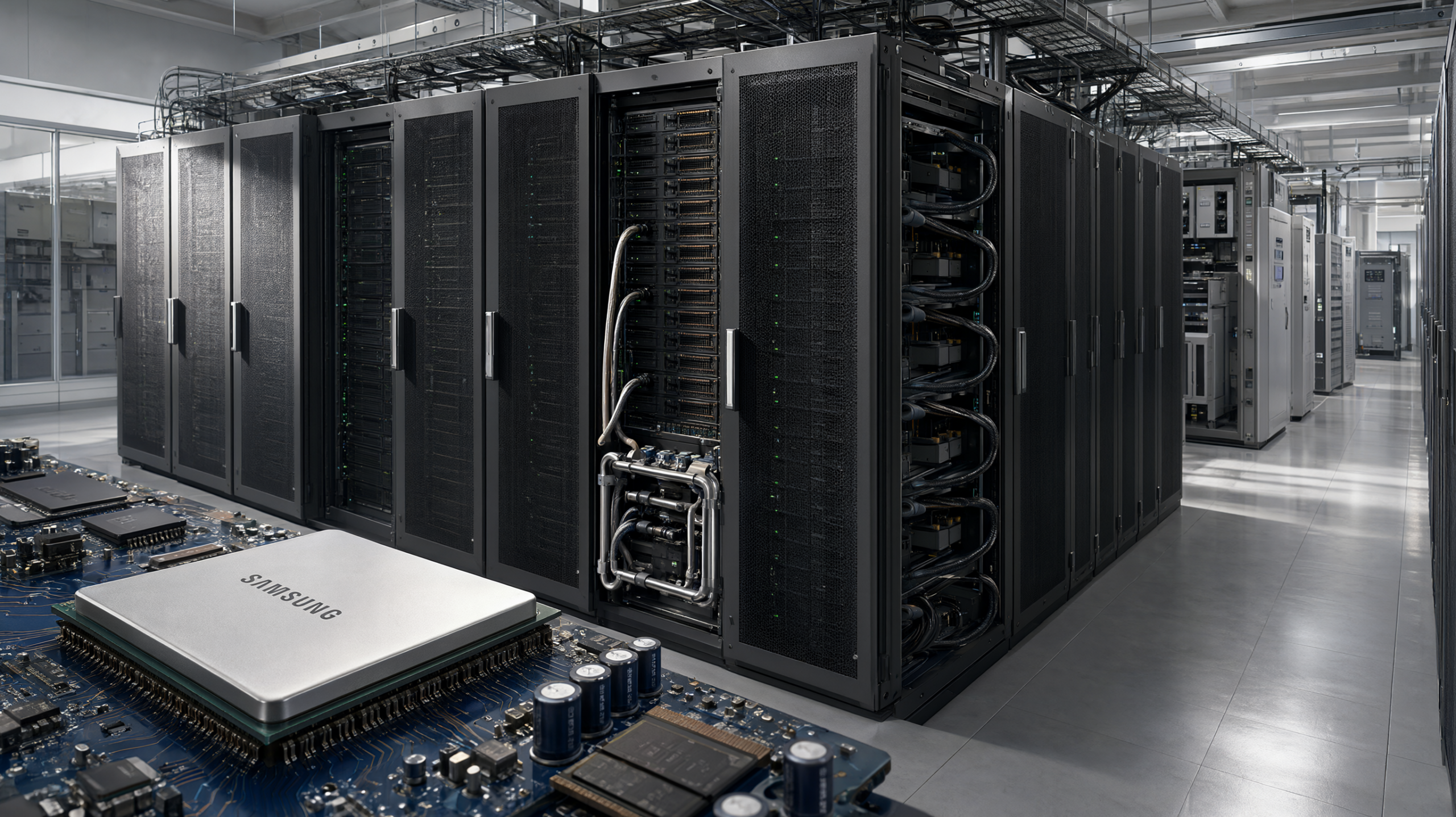
In a world where artificial intelligence is eating up more electricity than ever, one of the biggest names in tech chips is making a bold move. Samsung, the South Korean powerhouse famous for phones, TVs, and the memory chips that power AI systems, is diving deeper into building massive data centers. These are the giant computer warehouses that keep AI tools like chatbots and image generators running smoothly.
Just recently, Samsung’s tech services arm, Samsung SDS, broke ground on a new AI-focused data center in Gumi, South Korea. The site starts with enough power for about 60 megawatts think of it as the electricity needs of a small town and can grow to 120 megawatts later. It’s set to open around late 2028 and forms part of a huge investment plan worth tens of billions of dollars across the country’s southern regions. The goal? Turn the area into a hub for “physical AI,” mixing smart robots, advanced manufacturing, and the computing muscle to back it all up.
This isn’t just about stacking more servers. Samsung already leads in high-bandwidth memory (HBM) chips the super-fast memory that AI processors greedily use. By building the data centers themselves, the company can offer full packages: the chips, the buildings to house them, and the services to run everything. Customers, including big cloud companies and factories going high-tech, can rent space or plug in their own gear. It’s like a carmaker not only selling engines but also opening the gas stations and repair shops.
Why now? AI demand is exploding. Training and running advanced models needs insane amounts of computing power and reliable energy. Power shortages and rising costs have become real headaches for tech firms. Samsung sees a chance to lock in customers early and spread its success beyond just selling components. The company has also ramped up plans for advanced chip factories, including more production in places like Texas aimed at feeding AI hardware for partners. It’s a full-stack play in a market that keeps growing fast.
For everyday folks, this matters more than it sounds. Cheaper, more available AI computing could speed up things like smarter phones, better medical tools, faster factory robots, and even greener energy management. South Korea is pouring national support into this, hoping to stay ahead in the global tech race while creating jobs in manufacturing heartlands.
Of course, it’s not all smooth sailing. Building these centers takes years, tons of money, and careful handling of energy use and cooling (those servers get hot!). Competition is fierce from American giants and other Asian players. Plus, geopolitical tensions around tech supply chains add extra caution everyone wants reliable, secure AI infrastructure these days.
Still, Samsung’s shift shows how the AI wave is changing business strategies. Companies that once just made parts are now owning more of the whole system. If it works, it could help keep AI innovation humming without the bottlenecks that slow everyone down. Watch this space: the next few years will show if turning chip strength into data center muscle pays off big time.
In simple terms, Samsung is going from “we make the brains” to “we build the whole smart house.” And in today’s AI-crazy world, that could be a very smart house indeed.
Related posts

17 Nov 2026


18 Nov 2026

Latest Post






No Comments